
Introduction
Fitness Doesn’t Need a Gym
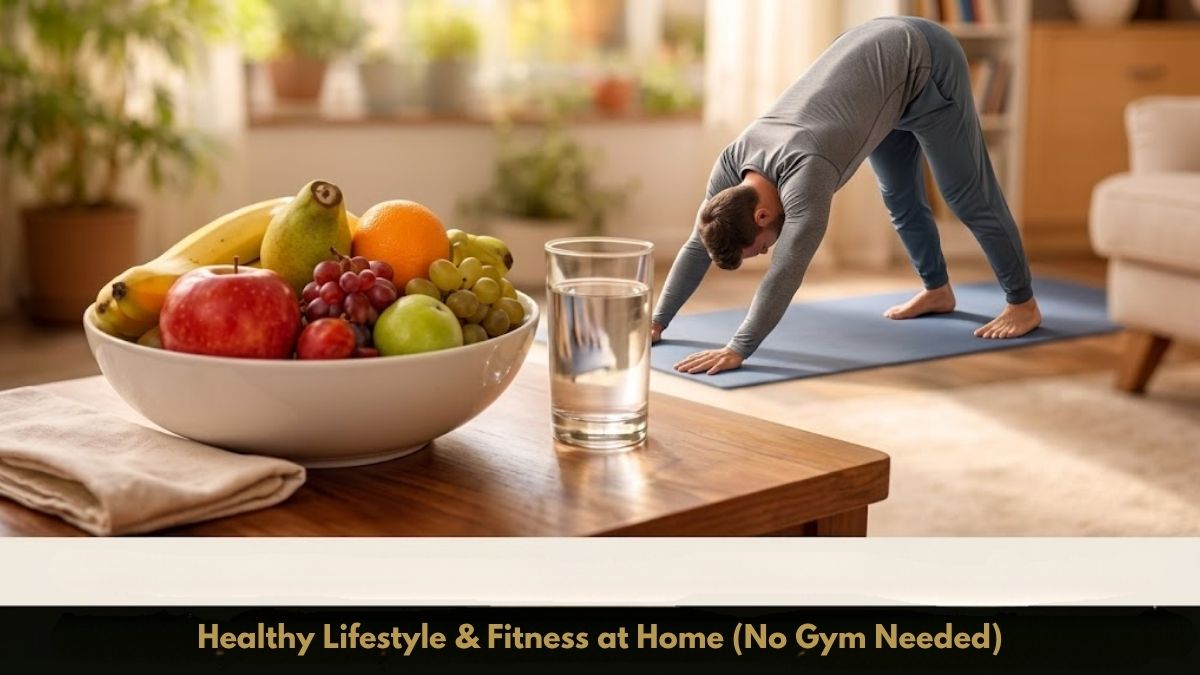
Many people think getting fit requires expensive gym memberships, heavy equipment, or professional trainers. The truth is very different. You can build a strong, healthy, and active lifestyle right from your home without spending much money.
In today’s busy world, home fitness has become more popular than ever. Whether you are a student, working professional, or someone managing a family, staying healthy at home is completely possible with the right habits.
Why Home Fitness Is Becoming So Popular
Home workouts are not just a trend—they are a practical solution for modern life. People are choosing them because they are flexible, simple, and time-saving.
Some major benefits include
- No travel time to gyms
- No expensive memberships
- Workout anytime you want
- Comfortable environment
- Easy for beginners
You don’t need perfect conditions to start. You just need consistency.
Building a Healthy Lifestyle Starts with Small Changes
A healthy lifestyle is not built in one day. It is created through small daily habits that add up over time.
Instead of trying extreme diets or intense workouts, focus on simple improvements like:
- Drinking more water
- Eating balanced meals
- Moving your body daily
- Sleeping properly
These basics form the foundation of fitness.
Easy Home Workouts You Can Start Today
You don’t need machines to stay active. Your body weight is enough to build strength and burn calories.
1. Push-ups
Great for upper body strength. You can start with wall push-ups if you are a beginner.
2. Squats
Squats help strengthen your legs and improve overall body stability.
3. Plank
Planks are excellent for core strength and posture.
4. Jumping Jacks
A simple cardio exercise that increases heart rate and burns calories.
5. Lunges
Helps improve balance and strengthens legs and hips.
Doing even 15–20 minutes of these exercises daily can make a big difference.
Importance of Daily Movement
A healthy lifestyle is not just about workouts. It’s about staying active throughout the day.
Even if you are not exercising, try to
- Walk more around the house
- Stretch after long sitting hours
- Take short breaks from screen time
- Avoid sitting continuously for long periods
Small movements keep your body active and reduce stiffness.
Eating Healthy Without Complicated Diets
You don’t need strict diets to stay fit. Simple and balanced eating is enough.
Focus on
- Fresh fruits and vegetables
- Whole grains like oats and brown rice
- Protein sources like eggs, lentils, and chicken
- Reducing junk food and sugary drinks
The goal is not perfection, but balance. You can still enjoy your favorite foods occasionally.
Staying Hydrated for Better Health
Water plays a huge role in fitness and energy levels. Many people ignore hydration, but it affects everything from digestion to focus.
Try to
- Drink 7–8 glasses of water daily
- Start your morning with a glass of water
- Avoid too many sugary drinks
Proper hydration keeps your body fresh and active.
The Role of Sleep in Fitness
Sleep is often overlooked, but it is one of the most important parts of a healthy lifestyle.
Good sleep helps
- Muscle recovery
- Better focus
- Improved mood
- Strong immune system
Try to maintain a regular sleep schedule and avoid late-night screen time.
Staying Motivated at Home
One of the biggest challenges of home fitness is staying consistent. Without a gym environment, motivation can drop easily.
Here are some simple ways to stay on track
- Set small daily goals
- Track your progress
- Listen to music during workouts
- Create a fixed routine
- Remind yourself why you started
- Consistency matters more than intensity.
Mental Health and Physical Fitness Connection
Fitness is not just about the body; it also improves mental health. Regular exercise reduces stress, boosts mood, and increases confidence.
Even short home workouts can help reduce anxiety and improve overall emotional well-being.
When your body feels active, your mind also feels lighter.
Common Mistakes to Avoid
Many beginners struggle because they expect fast results or follow unrealistic routines.
Avoid these mistakes
- Doing too much too soon
- Skipping warm-ups
- Ignoring rest days
- Comparing your progress with others
Fitness is a personal journey, not a competition.
Creating a Simple Home Fitness Routine
You don’t need a complicated plan. A simple routine works best.
Example:
- 10 minutes warm-up
- 20 minutes bodyweight exercises
- 5–10 minutes of stretching
Even this small routine done daily can improve your health over time.
Conclusion
Fitness Starts Where You Are
You don’t need a gym to become fit. Your home is enough. What truly matters is your consistency, mindset, and daily habits.
A healthy lifestyle is built step by step, not overnight. Start small, stay consistent, and gradually your body and mind will become stronger.
Remember, fitness is not about where you train—it’s about how committed you are.